Details
Images - Provided by permission of Salon 94
Salon 94 - An Exercise in Elegance
Occupying an original 5-story Beaux Arts building from 1915, Salon 94 retains the opulent and eclectic material and organizational vocabulary of the original building, which includes herringbone brick floors, marble and stone finishes and a grand winding staircase with iron balustrades. Architect Rafael Vinoly was hired to provide minor surgical changes, but in his works, nothing amounting to “plastic surgery.”

Not unlike other residential-modelled or housed art collections, the context of the space, its size and organization, inform the exhibition of works, with the exception that the property at 3 East 89th Street was never inhabited. Instead, it was used as a place of gathering, where large and lavish parties of the belle epoch would be held. In 1941, the building was donated to the National Academy of Design to house exhibitions and events. As a result, Salon 94 does not have the claustrophobic limitations of “period” exhibition spaces, and the art is allowed to play off of the rich material and architectural environment into which it is placed.
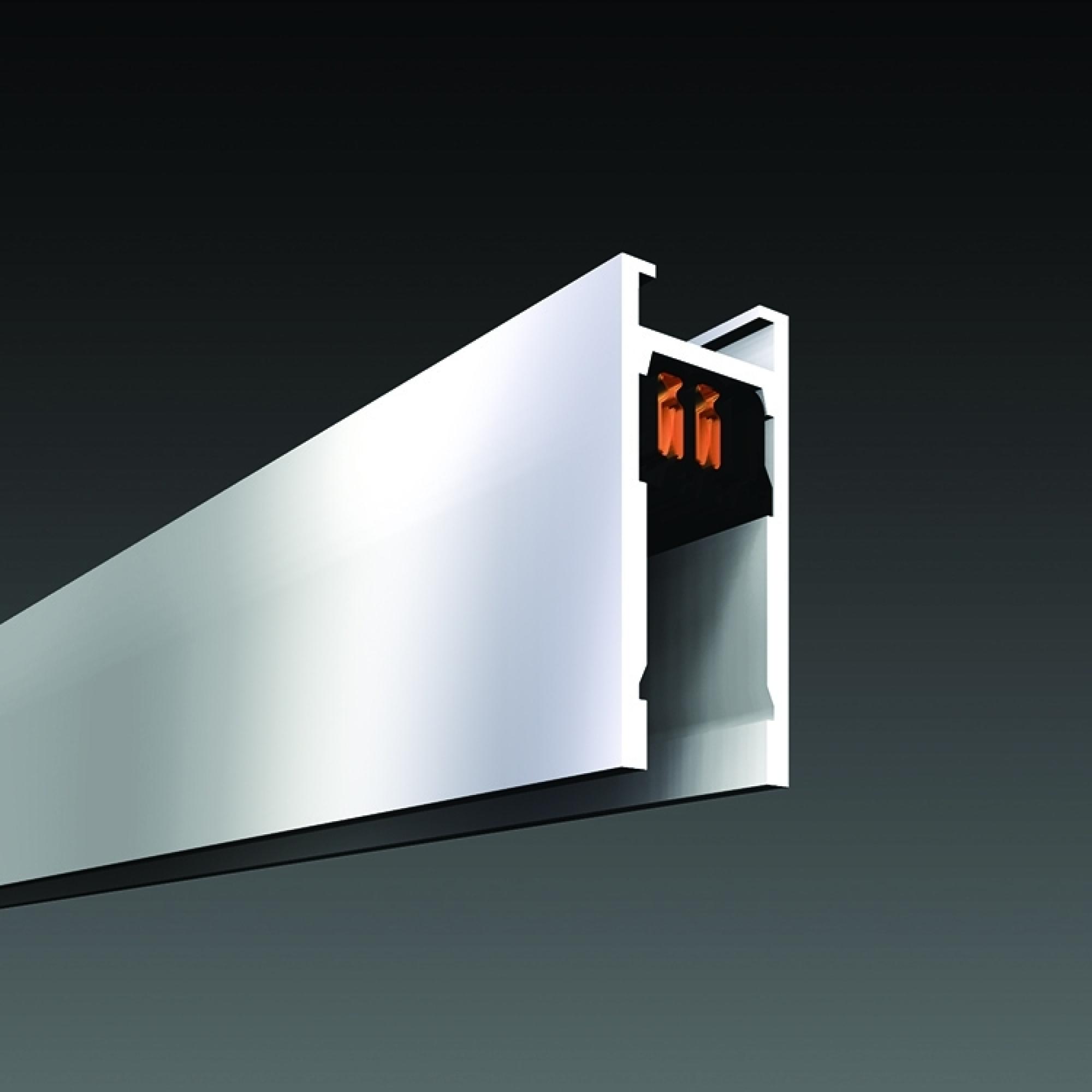
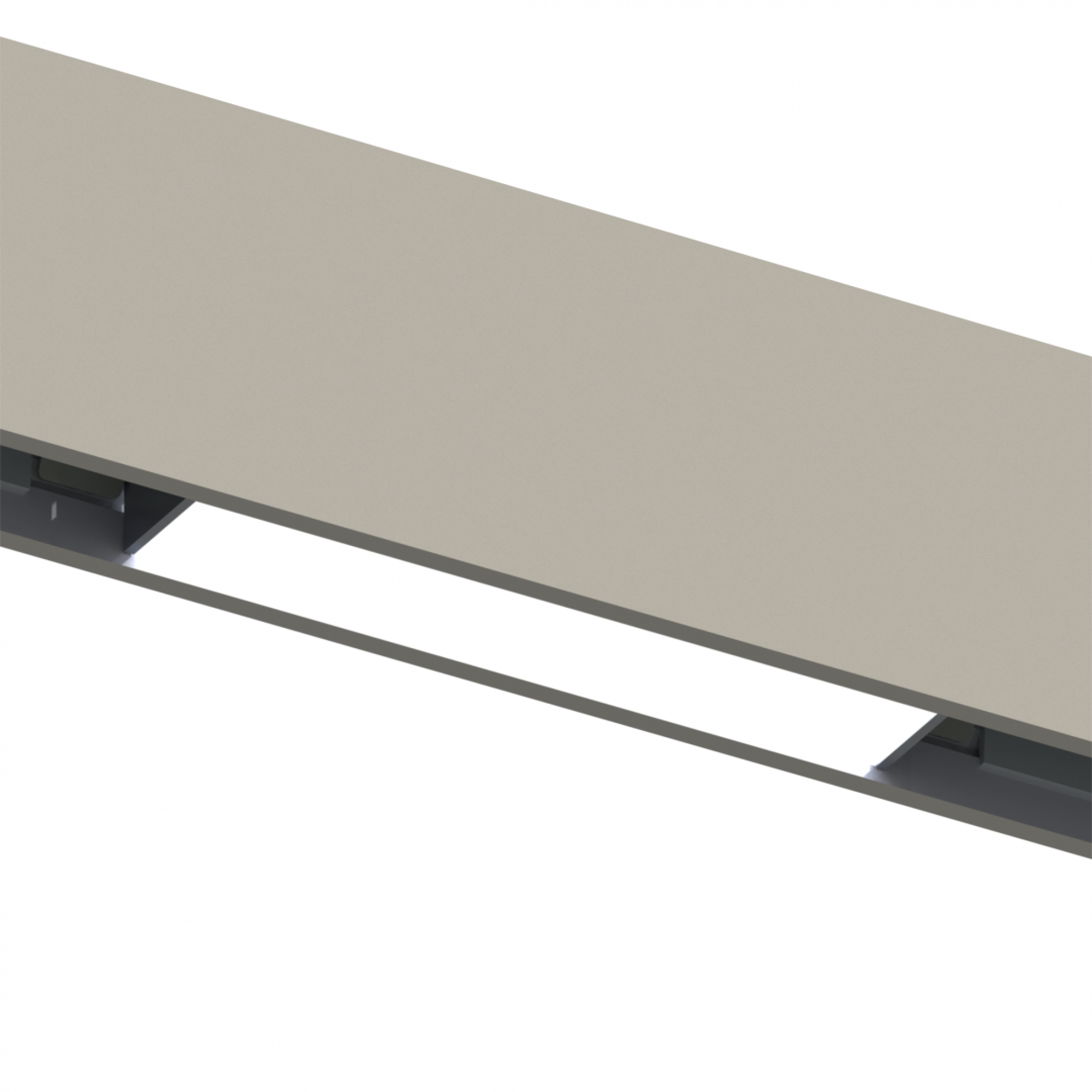
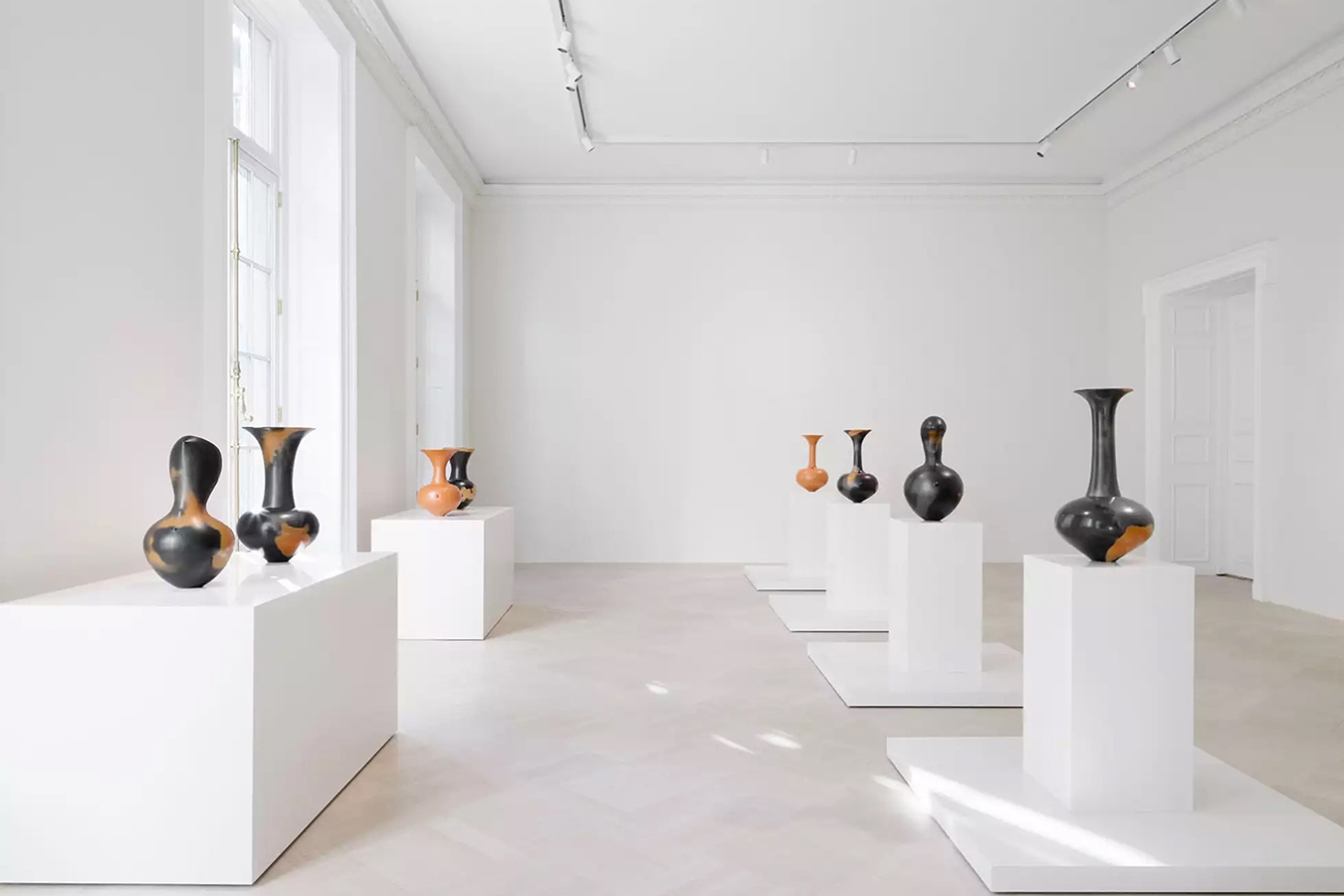
This playfulness, or reciprocity between art and venue includes design interventions throughout the space, which amount to permanent exhibitions of represented designers, including the grand glass chandelier that graces the main circular staircase, by Philippe Malouin. Subtle and not-so-subtle changes to traditional exhibition, like the Malouin chandelier, extend to the method and style of exhibition itself. With ample natural daylight in upper-level galleries, the artificial lighting provides a degree of delicacy; custom curving recessed linear LED wallwashers mimic the geometry of rooms, highlighting walls, and providing a generous increase in illumination that draws visitors to the art. Adjacent BusRun supports spot lighting to highlight art, and light sculptures.
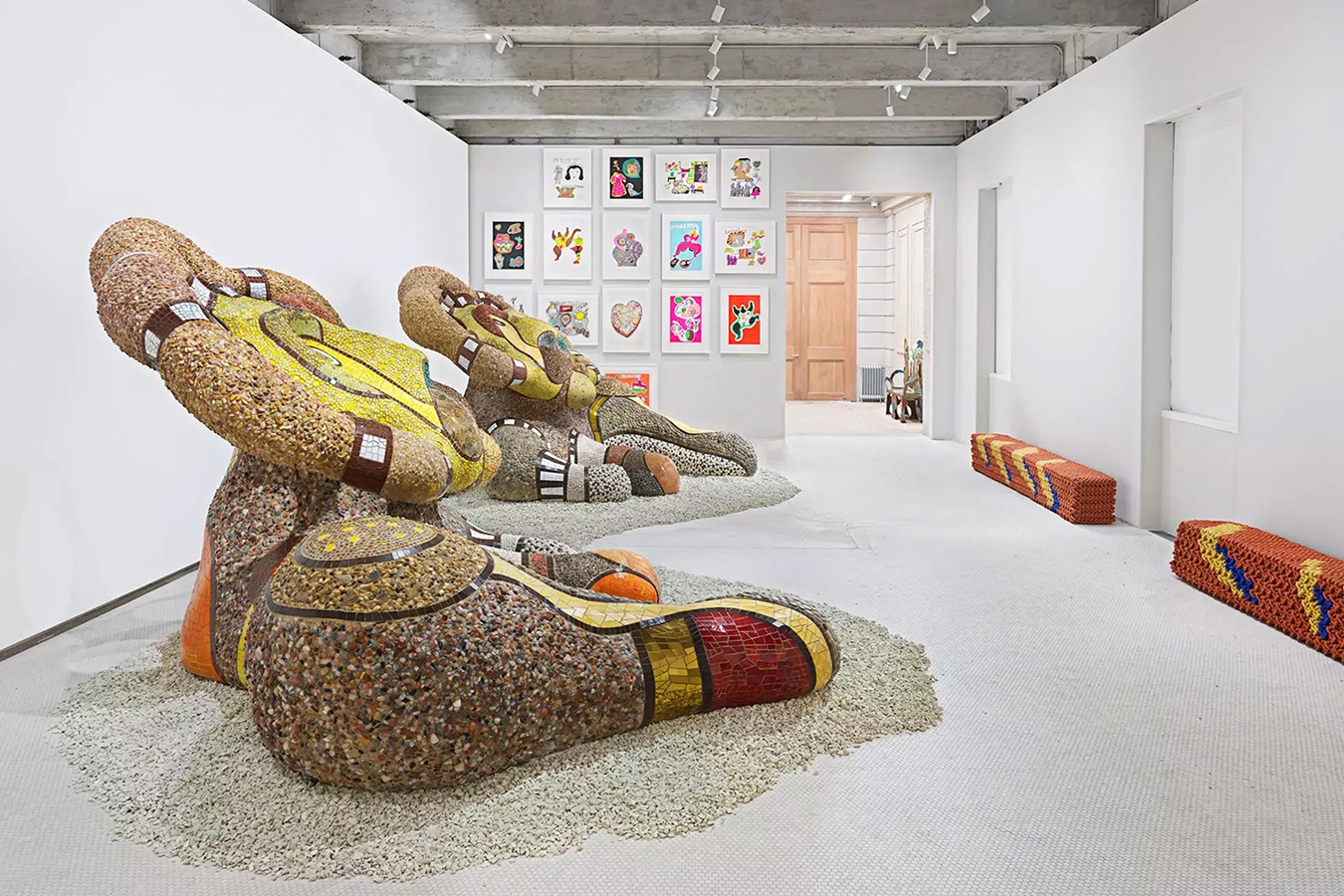
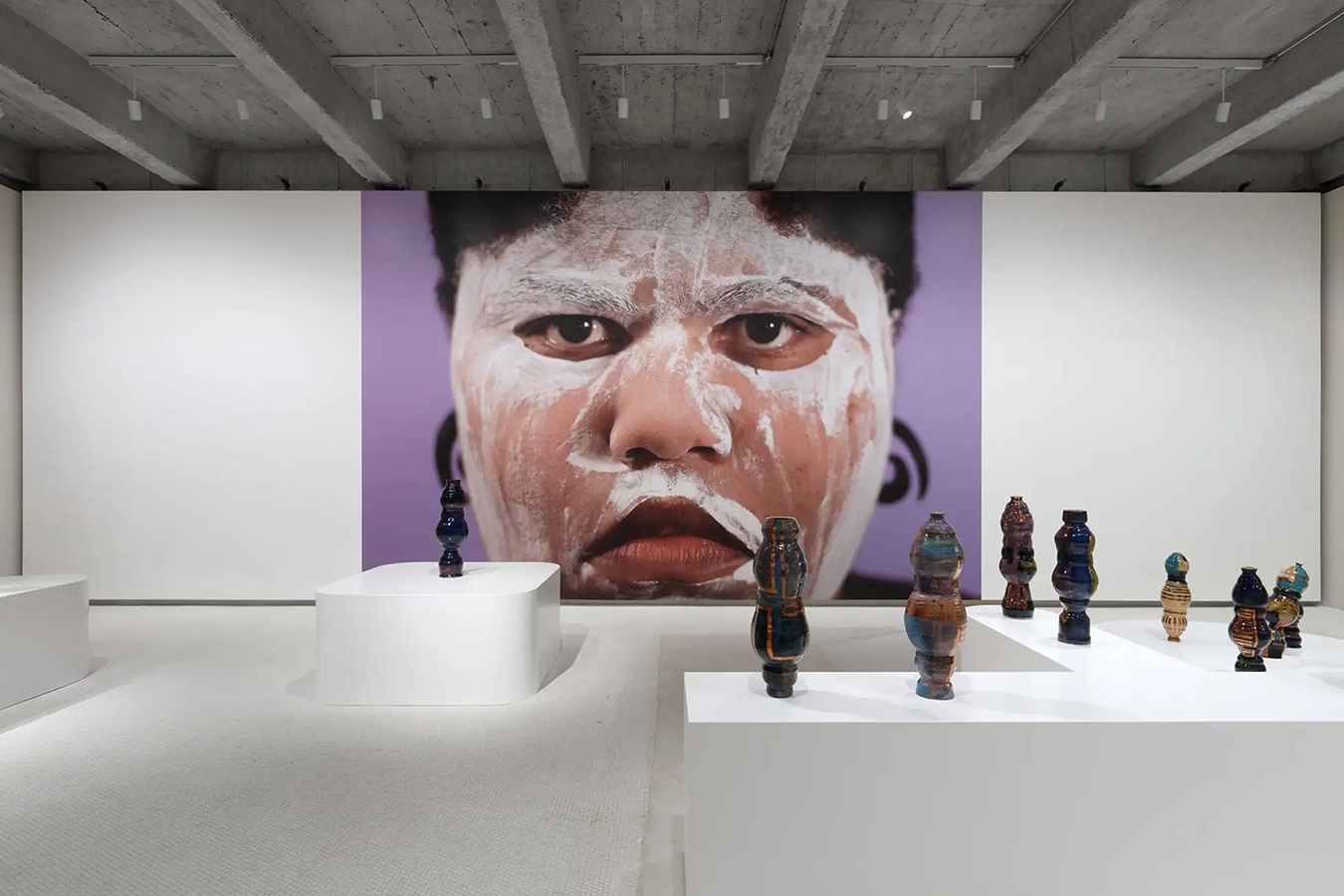
In lower levels, which have a more austere wood-patterned concrete ceiling with exposed beams, Litelab provided custom fixtures with extended stems, to peak below the heavy beams. A brushed finish helps the fixtures blend in with the more Brutalist architecture, determined by course and raw surfaces, where finishes show evidence of fabrication. Artworks, building, design elements and illumination work in concert to create what Art Nouveau architects would call a gesamtkunstwerk, or a “synthetic work of art,” in which all elements contribute to the total impression of the work, which in this case, includes building, artworks, design elements and illumination.